Jacy - Living the dream
We caught up with Italian DJ and producer Jacy Bozzi to talk about his love of dream house, and the clubs and records that shaped him.
Words by Mark Limb • March 9, 2026
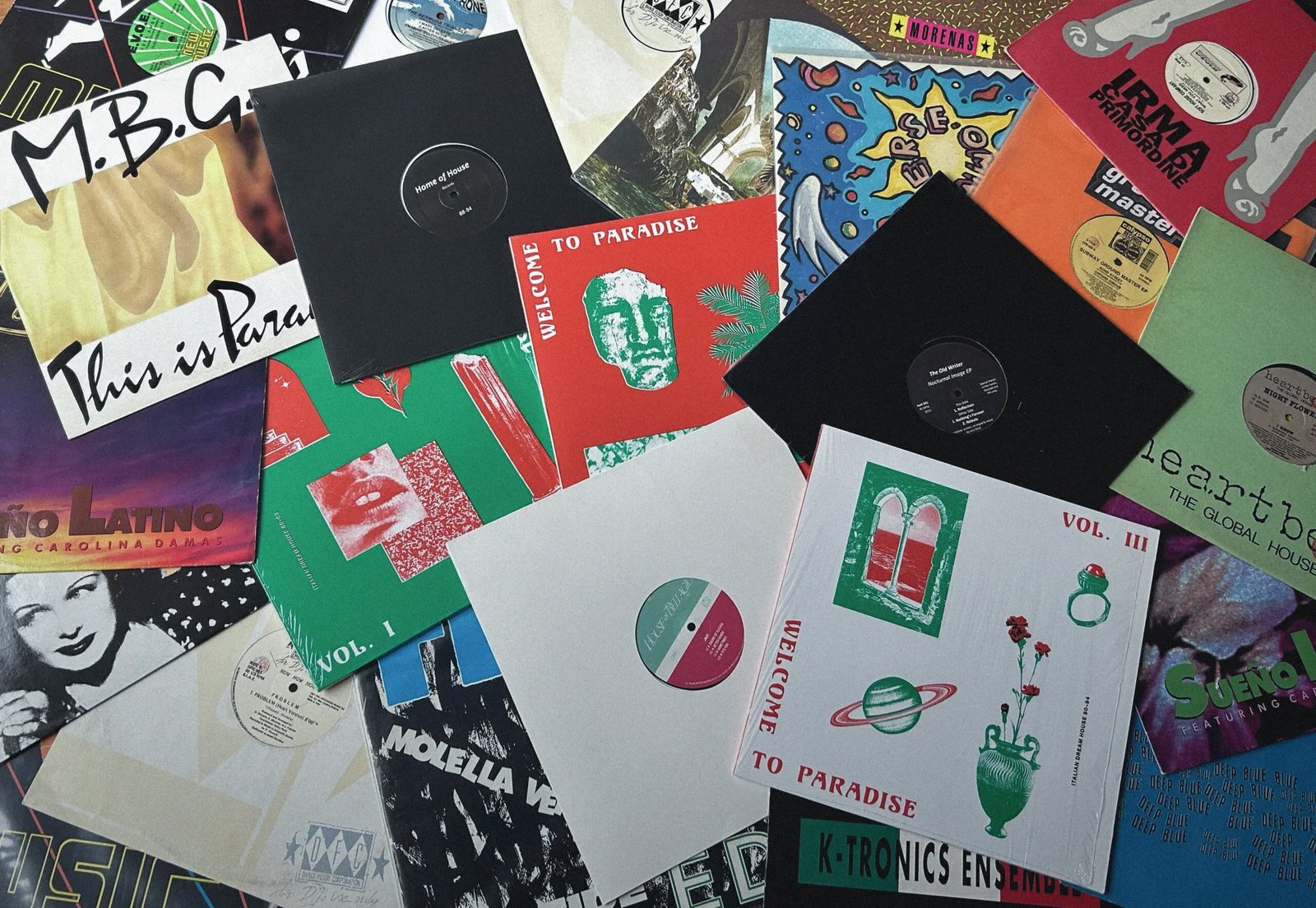
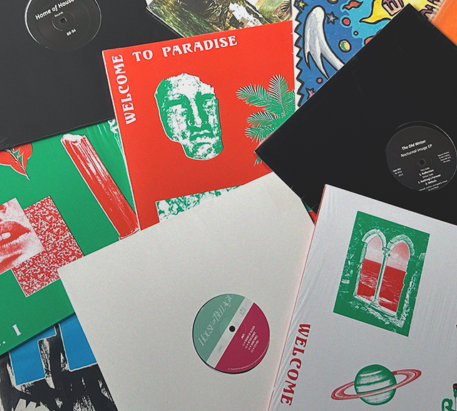
A selection of Jacy’s releases alongside some dream house classics.
Jacy, thank you so much for taking the time to talk to us. Can you tell us a bit about your background?
I am an Italian DJ and composer from Bari in Puglia, Southern Italy. I have always been attracted to music, especially music with melodies, deep sounds and percussions typical of these Mediterranean warm places.
I define myself as a listener, no matter the genre: pop, rock, bossa, funk, disco, soul, electro, stage and screen.
Can you remember when you first started listening to house music?
Well, the first time I heard it was thanks to a music cassette. It was not called House music it was just Underground Music. It's obviously about House Music but it was also partly Techno, Trance and Progressive.
Where they came from? Without a doubt, the Romagna Riviera that in the early 90s was second to none. Rimini and Riccione were cult cities, with clubs like Cocoricò, Peter Pan, Baia Imperiale, Villa Delle Rose, Echoes, and many more.
In those days, it didn't take much, or perhaps I was lucky enough to have a Kenwood tower stereo with good speakers and a pair of headphones. I remember spending nights with headphones on, listening to that music it was so beautiful, enveloping, deep, and magical.
"Mixing between tracks is like surfing the waves"
But there was another thing that drove me crazy, it was the “changes” between the records. Mixing records was a real art and there was even a certain competition to make the best mix. Mixing between tracks is like surfing the waves.
This is where my passion for this genre was born, I don't think it was my decision, but I think I was taken by it, you could define it as a sort of kidnapping.
Had the deeper side of Italian house already developed into the recognisable style we know today, or was it still taking shape?
Italian house music in the early '90s was already well-defined until around '93/'94. There's some fantastic production starting in '89, it all comes together in about a five-year span. For me, this encompasses not only this style of music but also house music from the United States, Canada, and UK with their rave party culture.
After '94, this whole movement slowly began to crumble, and you can see it in the production, everything slowly began to dissolve until '96/'97.
What do you remember most about those early years?
Let's start by saying that those were different times, with fewer distractions, no social media, not even the world wide web, and let's just say that time was better spent doing concrete things.
From the perspective of this style, it was the peak of its flowering.
There was certainly a desire to do things, to spend hours in the studio trying to create something unique, something that could fill the soul, the desire to create a journey, and that's what this music is capable of.
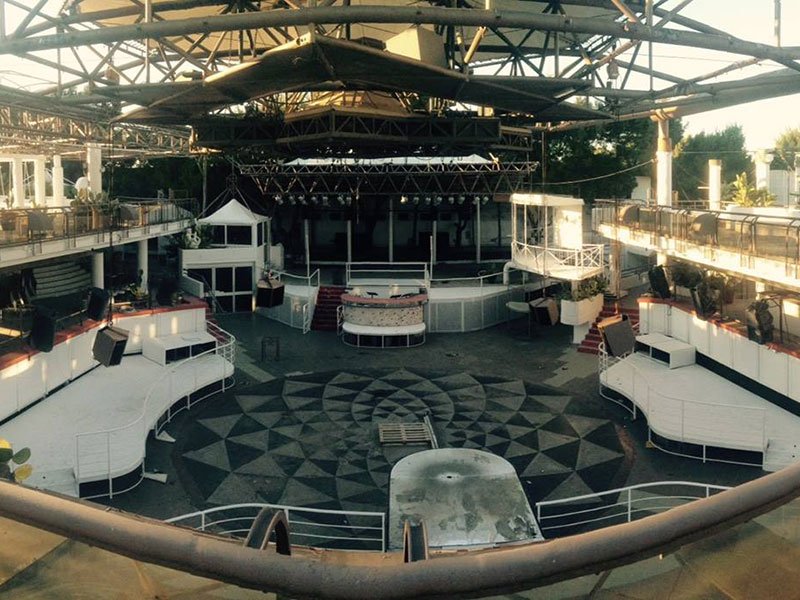
Divinae Follie nightclub
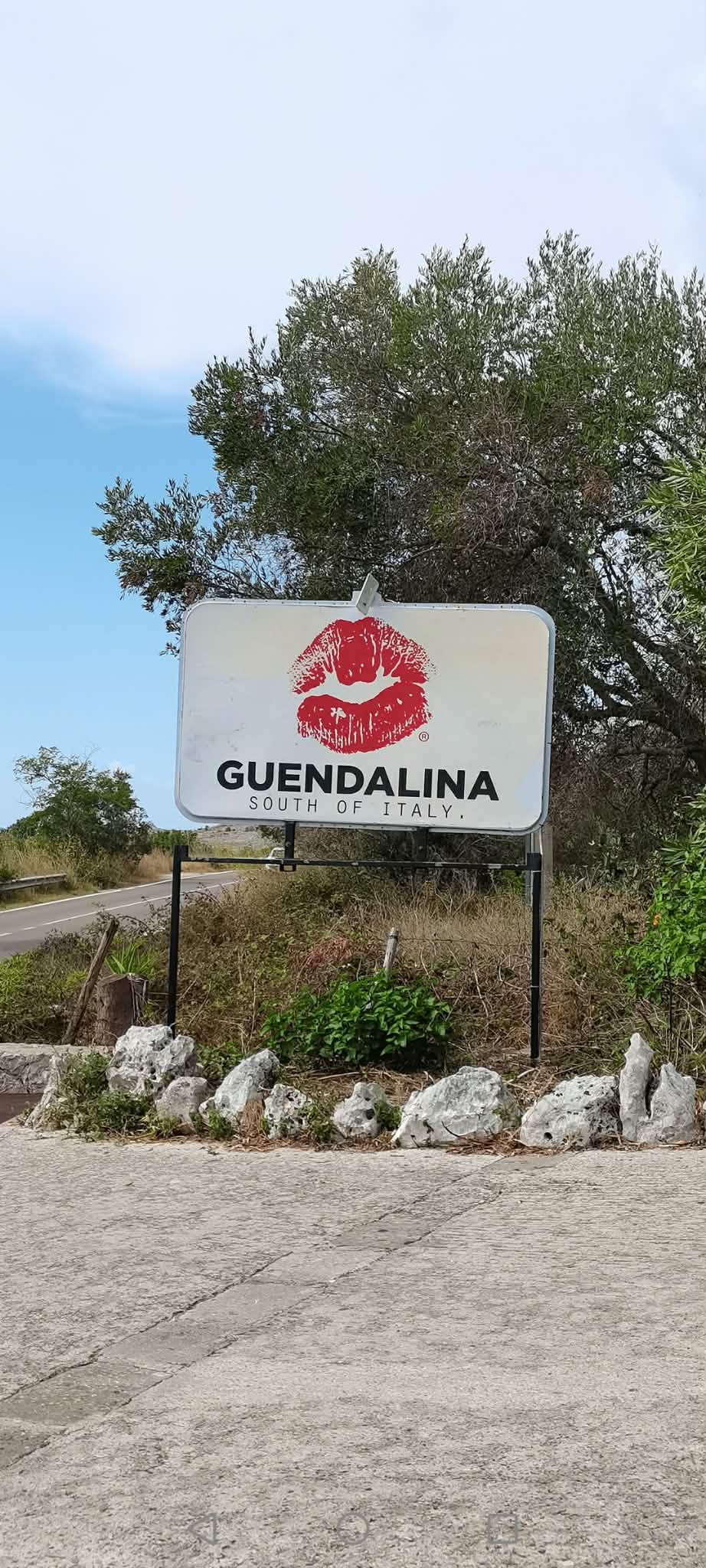
The old sign outside the now closed Guendalina club
You mentioned a few clubs already. Which ones were the most important to you during that period?
The most important club in those years was undoubtedly Divinae Follie, considered one of the best venues, with nights called Just-X.
They took place once a month with international and Italian guests. I've heard so many DJs, but one of the absolute best nights, in terms of music, class, and technique, was the one played by DJ Lottie (Charlotte Jones). She truly possessed a unique, indescribable, and captivating force when it came to moving the Vestax isolator.
Two other summer clubs were very important to me, Guendalina in Santa Cesaria Terme located in an area called Salento with heavenly sea and beaches, and Clorophilla in Castellaneta immersed in a small jungle
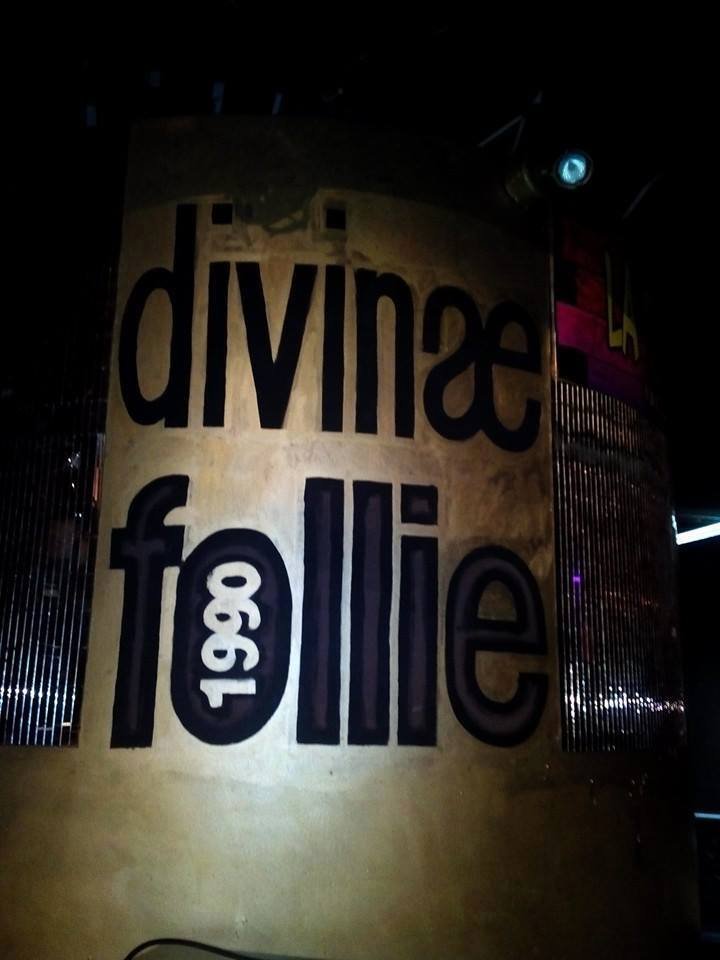
Divinae Follie 1990
Were there any other DJs that you listened to back then, either at home or abroad, that helped shape your taste?
Among the DJs who have impressed me most from the point of view of my musical taste and in terms of mixing are certainly Little Louie Vega, Frankie Knuckles, Tony Humphries with their Ministry of Sound sessions and of course Kerri Chandler whose 10 Years Of Madhouse mix I adore.
Italian DJs that played a bit of deep house were Claudio Collocuto, Flavio Vecchi, Ricky Montanari, Massimino, Giò Canepa, Dj Ricci, Leo Mas, Gemolotto, Ivan Iacobucci, Pasta Boys, Sauro Cosimetti, Claudio Di Rocco and others, but as often happens there was a slight focus on foreign productions.
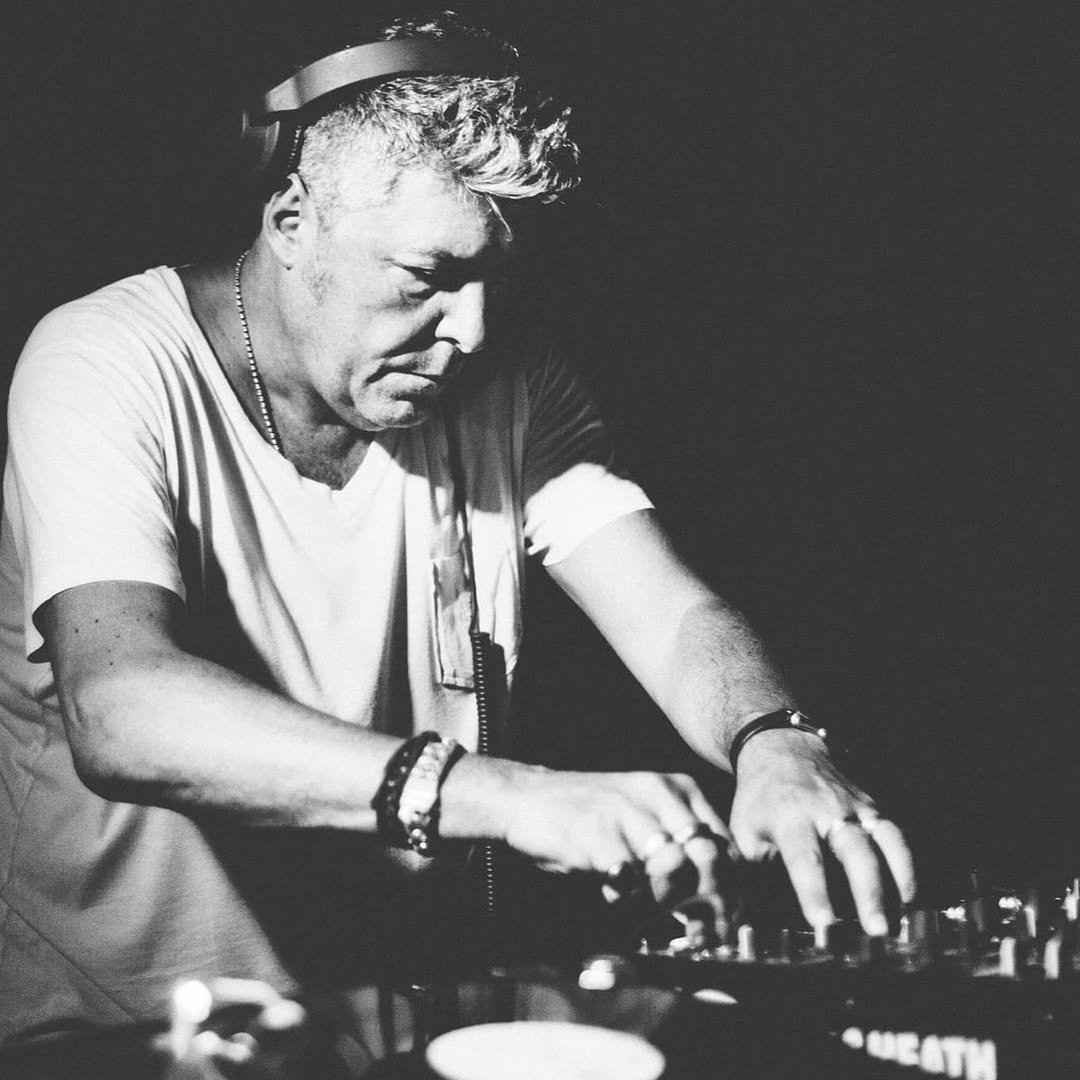
Claudio Coccoluto RIP
Italian producers also seemed to have a magic touch, from the deeper dream house side to the more piano driven tracks that were big in the UK. What do you think it was about that era and those producers that made them so special?
To understand what has made this type of production so special, it's definitely the place we live in. In certain places here in the southern Mediterranean you are just at the mercy of the elements.
The atmosphere, the Sun, the air, the sea, the scents, the flavours, the lifestyle, it's a whole host of things.
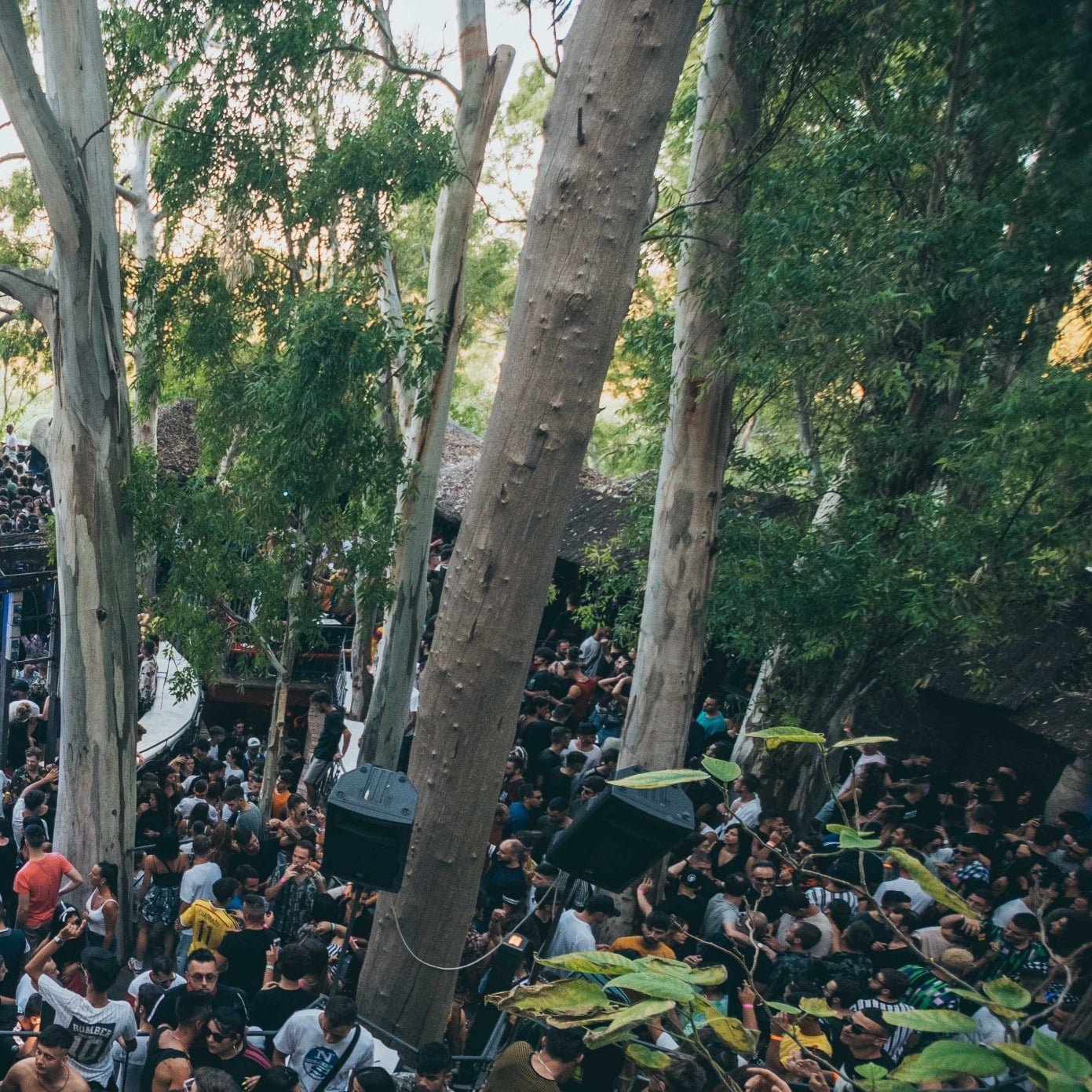
The view through the trees at the Clorophilla Club
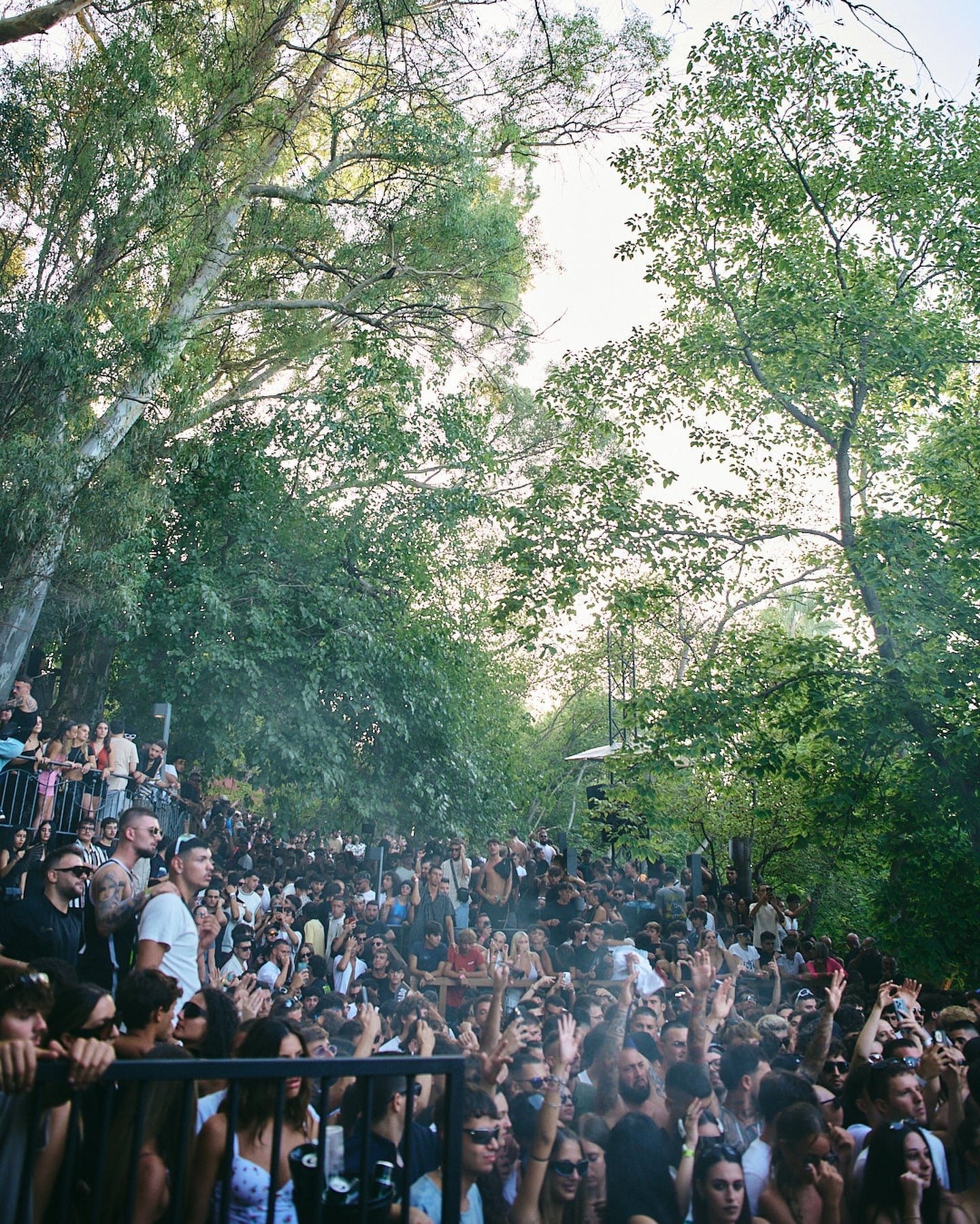
Clorophilla Club
I think that sounds a lot like the original Balearic spirit. Definitely something born from the environment.
Were there any particular artists or labels that really stood out to at the time?
Well I can mention artists like Alex Neri and Marco Baroni, who for me have made some of the most beautiful productions, Giorgio Canepa, Iacobucci, Gianni Bini, Stefano Di Carlo, Claudio Rispoli, Andrea Gemolotto, Leo Mas, Don Carlos, Angelino Albanese, and many many others.
And labels like X-Energy Records, Media Records, Discomagic, Line Music, Signal, Out, DFC, Flying International, Irma, MBG International, Heartbeat, Calypso, Palmares, Antima, UMM, just to name a few.
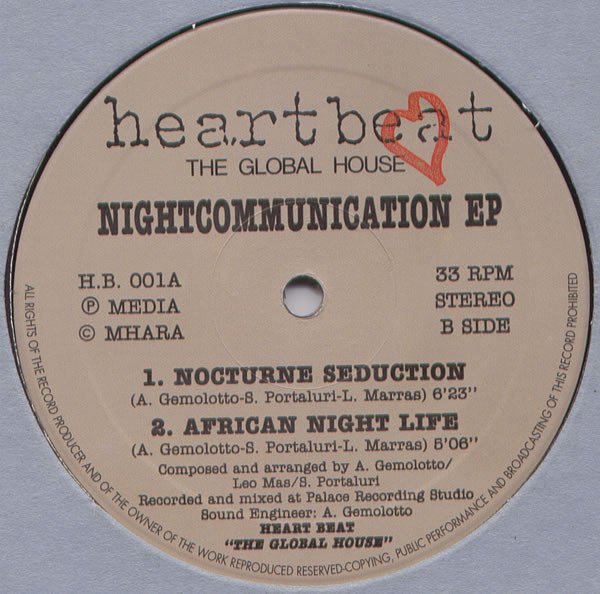
The Nightcommunication EP on Heartbeat
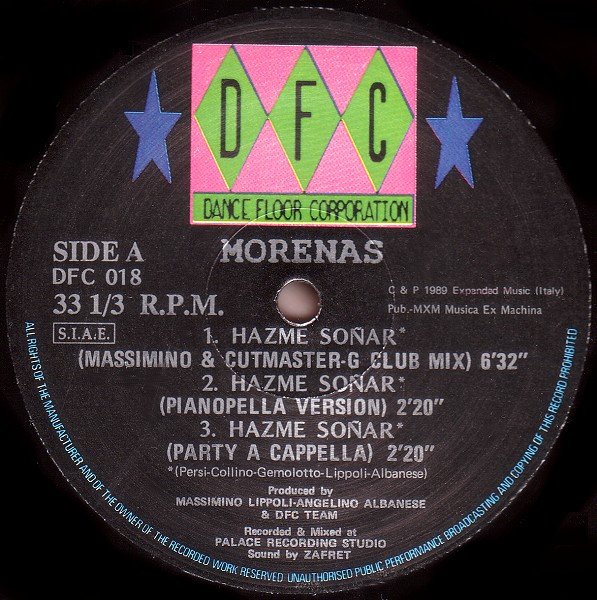
Hazme Sonar by Morenas on DFC
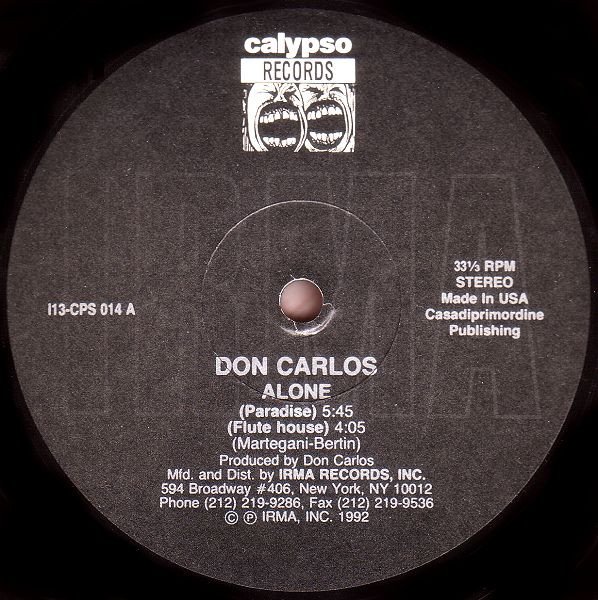
Alone by Don Carlos on Irma / Calypso Records
When did you first start making music yourself?
I don't remember exactly, but it was certainly long before the advent of social media!!! What drew me into the world of production? Obviously, it all started as a game, a curiosity, an adventure, a desire to explore and immerse myself in a new world.
To this day, I always say that composing and creating music from scratch is one of the most beautiful things you can ever do in life. I don't like putting together loops, picking up a vinyl record and using it for sampling, or even using tracks from YouTube, each composition must be a journey in itself, a new birth.
Sometimes it's difficult, sometimes impossible, sometimes you get lost and remain in the same place for days and days, but when you find the way, emotions come into play. I've spent weeks on a single track, but that's not a problem.
To create a sound is a way to give something, to speak and express yourself.
"Sometimes it's difficult, sometimes impossible, sometimes you get lost and remain in the same place for days and days."
Do you remember what your studio setup was like when you first started, and do you think it helped shape your sound and approach as a producer?
I've never given much importance to the type of equipment; for me, it means little or nothing. What really matters is what's inside you.
The same goes for DJing. However, for this style of music, you need classic Rolands, Korgs, Yamahas, SP-1200s, Ensoniqs, etc.
I think the distinctive sound comes naturally; everyone is different, everyone has their own way of being. I like a deeper sound, the journey is very important; it's like a therapy that relaxes me and gives me peace.
Every time I compose, I sit in the studio and, putting my hands on the keyboard, try to find the right chords that give me something deep, the beginning of a journey. I almost always start with the sounds and then add the drums, and I never take inspiration from other tracks.
Everything has to be new; it's simply the art of creating.
Has your approach to composing changed much over the years?
Personally, my process hasn't changed much, but I've had to adapt to new technologies and the evolving world of DAWs.
I've used several, as I said before, what counts is what you have to offer, but I must admit that for many years I've only used Steinberg Media Technologies software. If you're a composer/musician, I think it's the best.
I do, however, have my own workflow, which I follow especially when it comes time to pre-master, which is one of the key steps to making vinyl sound its best.
For some time now, I've also been doing mastering, which is a completely different and complex world than that of a composer.
"I like a deeper sound, the journey is very important; it's like a therapy that relaxes me and gives me peace"
You recently had a few of your early tracks included on Young Marco's 'Welcome to Paradise' compilations. How did that connection come about?
I was simply contacted by Christiaan McDonald, co-founder of Rush Hour, probably after hearing one of my singles.
He and Young Marco were very kind and did things so well that I later collaborated on the compilation of Welcome to Paradise Vol. III, including one of my favourite tracks, Deep Blue - Deep Blue (The Inner Part of Me).
I got along very well with them and I'm happy that my tracks were released on Safe Trip. It's one of the best-selling compilations of recent decades.
How does it feel revisiting some of those older productions now that they’re appearing on compilations again?
Those tracks are quite dated, but they've improved over time, so to speak.
When you work on a track for a long time and listen to it thousands of times, you reach a point where you no longer realise what you're doing.
The next day, you wonder what you've done. When you're finished and listen to it again a week later, it seems fine. If you listen to it again months later, you might realise something's wrong. I think this is typical of composers.
Can you tell us about your Home of House label and the Old Writer alias, and what each project allows you to explore creatively?
Home Of House Records, like everything else for me, started as a game.
It's always nice to bring old tracks to light, and then you learn so many things about the entire process: distribution, the vinyl factory, physical and digital music stores.
The Old Writer simply because I write my tracks the way they did back then. I frequently use about 20 channels, working exclusively in MIDI. It's not an easy job; for example, getting a drum kit to sound good takes a lot of time.
There are elements that need to go one way and others another. You have to carefully adjust the volumes, pan, EQ, compress, expand the sound, cut frequencies, and much more.
You've released a steady stream of singles and EPs over the past 20 years. Are you working on anything new at the moment?
I currently have an EP ready in old school deep house style and I'm slowly working on a new one.
We're approaching three decades since dream house first emerged, yet it still resonates on dancefloors and with younger DJs. Why do you think it has remained so timeless as a genre?
I believe the productions made back then, and not just dream house, are destined to last forever. Those were different times, where so much was given, so much time, passion, energy, and heart were dedicated, and all of that is destined to last, unlike most productions of recent years, which have very short shelf lives.
Today, we live in different times, the era of social media and AI, where new producers boast of releasing an EP in a weekend.
The clubbing world has also changed, with event organisers now focusing more on festivals. Dream house is destined to be a niche product, but one that is nevertheless timeless.
And finally, what do you think it is that still draws you back to that sound after so many years?
It's a style that always excites you, but it really shines when spring and summer arrive.
It's like a flower blooming as the temperatures rise and the daylight increases. I live in a place where we can enjoy the sea for six months, and we have countless typically Mediterranean places to experience, so it's easy to get caught up in dream house.
I have no idea what direction this style of music is going. Honestly I don't really care, these are sounds I carry inside me, and that's what matters.
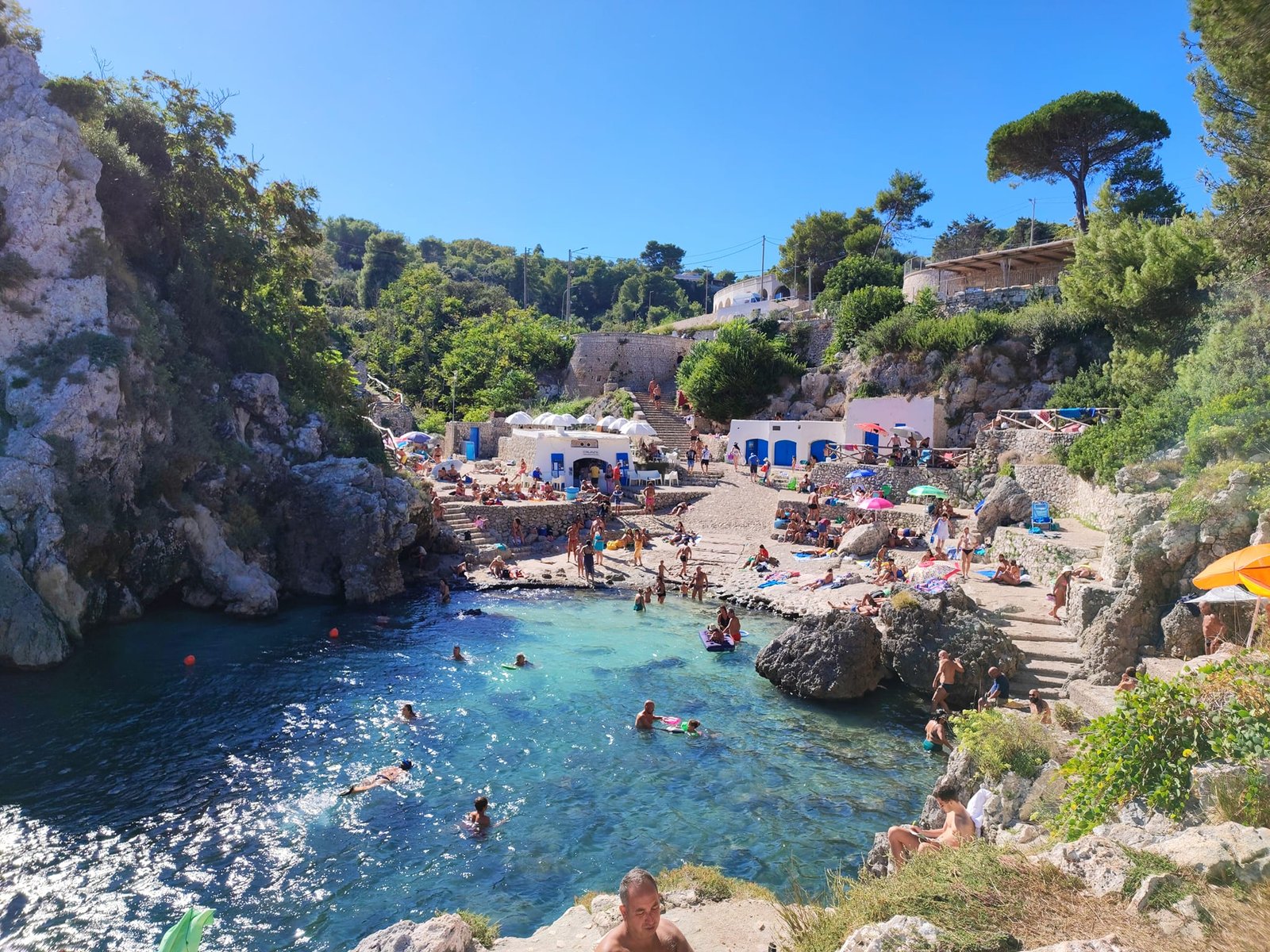
The Mediterranean bliss of Cala dell'Acquaviva
Jacy, thank you so much for taking the time to talk to us. It's been a real pleasure.
Where can our readers go to listen to more of your music and stay up to date with your new releases?
I have a YouTube channel called Jacyhouse (oldskool melodies) where you can listen to some music from those years, including my own productions and mixes. I also have a Soundcloud account called Home Of House Records and, of course, Spotify.
For my own work, I still have a Facebook and Instagram account, but I don't keep much track of them, and by personal choice, I always try to stay away from them. I prefer sharing music and try to maintain my privacy
Before we go I have to ask if you have any favourite records that capture the golden era for you?
A few that come to mind include...
Dreamatic - I Can Feel
I - Audio Trip
DJ Le Roy - Yo Te Quiero
Morenas - Hazme Soñar
Morenas - Cuando Brilla La Luna
Sueño Latino - Luxuria
Key Tronics Ensemble - We Need Music
Key Tronics Ensemble - House Of Calypso
Omniverse - Never Get Enough
Love Quartet - Kiss Me
9 Lives - Nobody
FAR.e.s.e. - Show Me
June Mitchell - All And All
Alkemy - The Trap
Density - Yes
Golem - Sun City
Leo Mas & Oval - Is It
DJ Le Roy - Bocachica
Green Baize - Switch Back
Aural - Desire
49th Floor - Night Passage
Don Carlos - Alone
Don Carlos - I Can Love Nobody
Quadrophenia - Paradise
Overflow - Tell Me
Density - Yes (I Love You Baby)
MBG - This Is Paradise
Anxious - Saxample
Kamasutra - Night Walk
and many more...
Find out more and stay up to date with Jacy's releases here